
What You Should Know Before Whitewater River Rafting
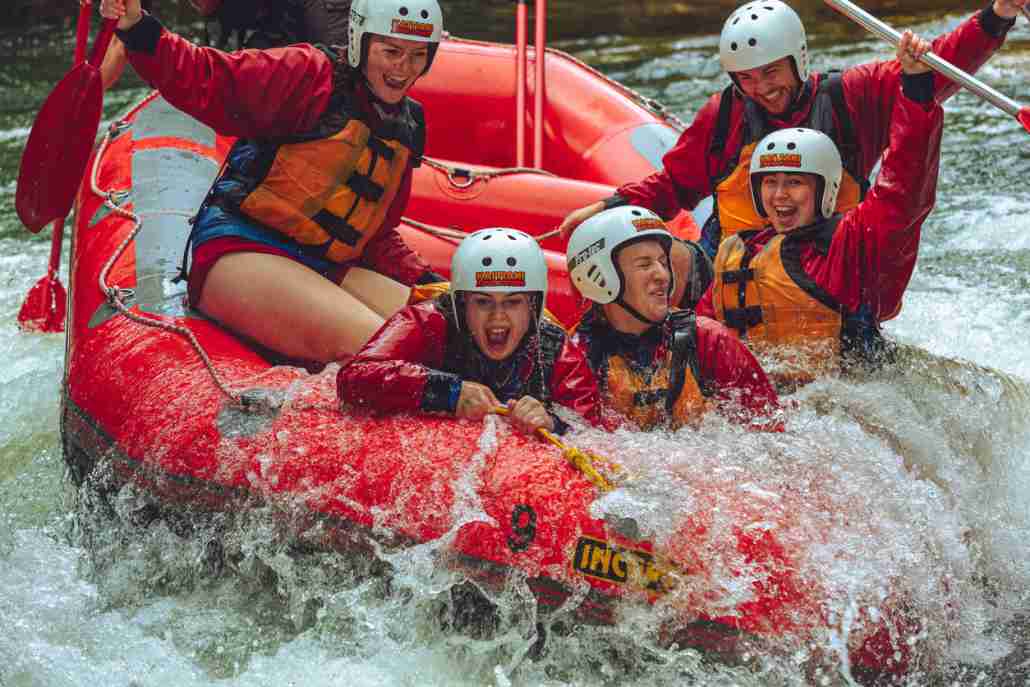
If you’ve never experienced whitewater rafting, you’re missing out on one of the most thrilling and unforgettable adventures! Many assume it’s hazardous, picturing dramatic waterfalls and treacherous rocks at every turn. In reality, that’s not typically the case. Named for the frothy whitecaps and swift currents, whitewater rafting doesn’t necessarily mean you’ll be in danger. You can enjoy a safe and exhilarating trip with proper preparation and guidance.
The International Scale of River Difficulty (ISRD) provides a comprehensive guide to the varying levels of rapids, helping you choose a river that matches your skill level and comfort. An experienced tour guide is also invaluable for ensuring a smooth and enjoyable adventure. They not only navigate the river but also provide essential safety instructions and insights into the surrounding environment.
For beginners, starting with lower-class rapids can be a fantastic introduction to the sport, allowing you to build confidence and skills before tackling more challenging waters. Meanwhile, seasoned rafters can seek out more intense rapids for an adrenaline-pumping experience. Whether you’re looking for a gentle float or an intense ride, whitewater rafting offers a unique way to connect with nature and experience the great outdoors from a fresh perspective. So gear up and prepare for an adventure that promises excitement, breathtaking scenery, and memories to last a lifetime.
More About the ISRD and the Snake River’s Class
The globally recognized International Scale of River Difficulty (ISRD) is a system designed to identify the hazards of waterways, recommend suitable types of watercraft, and specify the life jackets necessary. While this system is not exact, as rivers sometimes fit neatly into one category, it provides a solid idea of what to expect. The Snake River, a Class III river on the ISRD, remains the most popular Whitewater Rafting body of water in Jackson Hole. Here’s a breakdown of the different classes:
- Class I – Fast-moving water with small waves and very few obstructions. Ideal for swimming.
- Class II – Features some rapids and occasional obstructions. Swimming is still generally safe.
- Class III – Rapids with irregular waves that can be challenging to navigate. More considerable obstructions are present but avoidable for experienced swimmers.
- Class IV – Intense and powerful rapids with mostly predictable patterns. Avoid swimming except by rapids experts.
- Class V – Continuous rapids with unavoidable waves and difficult-to-navigate obstructions. Swimming poses an extreme risk of injury or death.
- Class VI – Extremely unpredictable and dangerous. DO NOT ATTEMPT in any craft.
Understanding these classifications can help you prepare for your whitewater rafting adventure. With its Class III rating, the Snake River offers a thrilling experience with developed rapids and irregular waves, suitable for those with some rafting experience. With experienced guides, you’ll navigate this dynamic river safely while enjoying the excitement it offers.
Use the Correct Life Jacket Type for the River Class
Unsurprisingly, the government regulates personal floatation devices, setting standards for each type and providing labeling for appropriate use. The US Coast Guard enforces these regulations. For reference a 220lb adult weighs only 11 pounds in the water.
- Type I—Designed for situations where rescue might be delayed, these bulky vests provide significant buoyancy—11 pounds for children and 22 pounds for adults. They offer extensive protection and padding, retaining body heat and keeping the wearer’s head above water. They are commonly used in large lakes and open waters like the ocean.
- Type II Buoyant—With a minimum buoyancy of 15.5 pounds, these vests are intended for near-shore use, where rescue is expected to be quick. They are less effective in rough water and may require the wearer to tread water to keep their head up. They are typically used in small lakes and ponds.
- Type II Inflatable—These comfortable vests, which provide 34 pounds of buoyancy, are often inflated manually by blowing into a tube. They are not designed for rough waters and do not ensure that an unconscious wearer will flip face-up. Like their buoyant counterparts, they are best suited for small lakes and ponds.
- Type III Buoyant—Offering 15.5 pounds of buoyancy, these vests are more comfortable than Type I or II. Still, they are less effective than Type I. They are commonly used for activities on slow-moving rivers, such as kayaking or canoeing.
- Type III Inflatable—Buoyancy of 22.2 pounds. These vests are much more comfortable than the other variants but do not guarantee they will turn an unconscious wearer’s face up. They are often used in water sports races.
- Type IV – These are not worn but thrown to someone in the water. They include ring buoys with a buoyancy of 16.5 pounds and float cushions with 18 pounds of buoyancy. They are commonly seen at public pools or on ferries.
- Type V Special Use Life Jackets have a buoyancy range of 15.5 to 22 pounds and are kept on water vessels to meet US Coast Guard requirements.
- Type V Automated Inflation – Specialty, single-use life vests that auto-inflate after pressing a button or pulling a ripcord, similar to a vehicle airbag.
Teton Whitewater and Triangle X will have all the necessary equipment for a safe, fun trip!
Rest at the Hatchet Resort
After an exhilarating day of whitewater rafting, it’s time to rest and recharge. Discover the unique charm of the Hatchet Resort, especially at our on-site restaurant, the Whetstone. Indulge in a culinary journey featuring fresh trout, premium steaks, and our renowned Hatchet Burger. Our diverse menu, which includes a buffalo burger, wholesome salads, and mouthwatering elk medallions, guarantees a memorable dining experience.
Join us for breakfast and savor a towering stack of pancakes or the delightful Huckleberry French Toast. Start your day with one of our signature breakfast burritos, ensuring you remain satisfied until dinner. Enhance your stay in Jackson Hole with the ultimate location, convenience, and comfort. Contact us at 307-543-2413 or book your reservation online today!