
Wild Encounters 2025: Exploring The Diverse Wildlife of Yellowstone
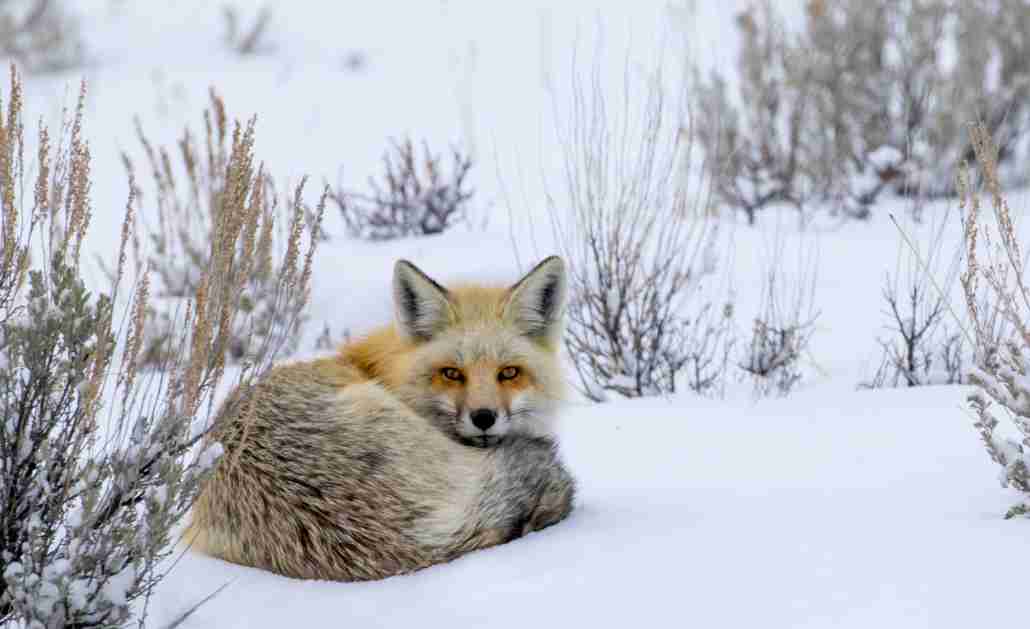
Yellowstone National Park is a wildlife lover’s paradise, offering visitors a rare chance to witness various animals in their natural surroundings year-round. Each season in Yellowstone reveals different behaviors and wildlife activities, making every visit unique. However, it’s important to follow park regulations, including keeping a safe distance from all animals to ensure the safety and well-being of visitors and wildlife. Each season in Yellowstone brings wonder, offering a chance to witness the park’s resilient and diverse wildlife in different stages of life and survival. Here’s a seasonal overview of what you might expect when visiting Yellowstone and the incredible animals you may encounter.
Spring Spirits
As winter’s snow begins to thaw, Yellowstone awakens with new life. This season is marked by the emergence of bears, including grizzlies and black bears, who leave their dens with cubs in tow. These large mammals can be seen foraging for food and reestablishing their territories after the long winter months. Spring is also a time for new beginnings across the park, as visitors may spot bison calves, elk calves, and even bear cubs taking their first steps into the world. Springtime also welcomes migratory birds back to the park, with their songs filling the air and their vibrant colors adding a touch of beauty to the landscape.
Summer Specimens
As the warmer weather settles in, many animals migrate to higher elevations, where temperatures are cooler and food sources are plentiful. Elk, bison, and bears are all on the move, taking advantage of the lush summer landscape. Wolves, particularly in Lamar Valley, become more visible as they hunt for prey like elk and bison. Summer is also ideal for birdwatching, as Yellowstone’s skies are home to a variety of bird species, including majestic bald eagles, osprey, and a host of songbirds. The summer season brings a unique opportunity to observe a bustling ecosystem at the height of its activity.
Autumn Animals
Fall is an exciting time in Yellowstone, especially for witnessing the elk rut. During this season, bull elk compete for mates, filling the air with iconic bugling sounds and engaging in antler clashes. As winter approaches, bears become increasingly active, foraging intensively to build fat reserves for hibernation, often bringing them down to lower elevations where they’re easier to spot. Predator activity also increases in fall, with wolves and coyotes hunting prey beginning to gather in groups. The brilliant fall foliage provides a stunning backdrop, making it an ideal time for both wildlife viewing and photography.
Winter Wildlife
Yellowstone transforms into a snowy wonderland in winter, and wildlife viewing takes on a unique character. Animals like bison, elk, and wolves congregate in lower elevations, making them easier to observe against the snowy landscape. Yellowstone’s animals have adapted to the cold; bison grow thick winter coats, and wolves rely on their pack structure to hunt more effectively. Winter offers a serene experience, with the Park’s quiet, snow-covered scenery creating a magical setting for wildlife enthusiasts.
Reflect on the Day at the Hatchet Resort
Spend some time during your meals planning your next day’s adventure, while reflecting on your previous animal sightings! Experience the unique charm of the Hatchet Resort, especially through our on-site restaurant, the Whetstone. Indulge in a culinary experience like no other. Our menu boasts a delectable array of dishes, from succulent trout and prime steaks to our signature Hatchet Burger. Savor our salads, buffalo burger or tender elk medallions for a taste of the wild. And wash it all down with a local microbrew or huckleberry lemonade.
Start your day off right with a hearty breakfast and fuel up for a day of adventure in Jackson Hole.
For reservations or inquiries, please call us at 307-543-2413. Or book your spot online now!